Best Roofing Options for Homes In Minnesota
Choosing a new roof is one of the most important decisions you’ll make as a homeowner. It affects how your home looks, how it performs in extreme weather, and how much you’ll spend on maintenance over time. In Minnesota, that decision carries even more weight. Your roof is your home’s first line of defense against heavy snow, ice dams, wind, and constant temperature swings.
With so many options available, it can be difficult to know which materials actually hold up in this climate. Understanding how different roofing materials that Minnesota homeowners commonly use will help you make the right decision.
This guide walks through the most common roofing materials, how they compare in Minnesota’s environment, and what to consider when choosing the best option for your home.
What Does Minnesota’s Climate Demand From Your Roof?
Before comparing materials, it’s important to understand what your roof is expected to handle.
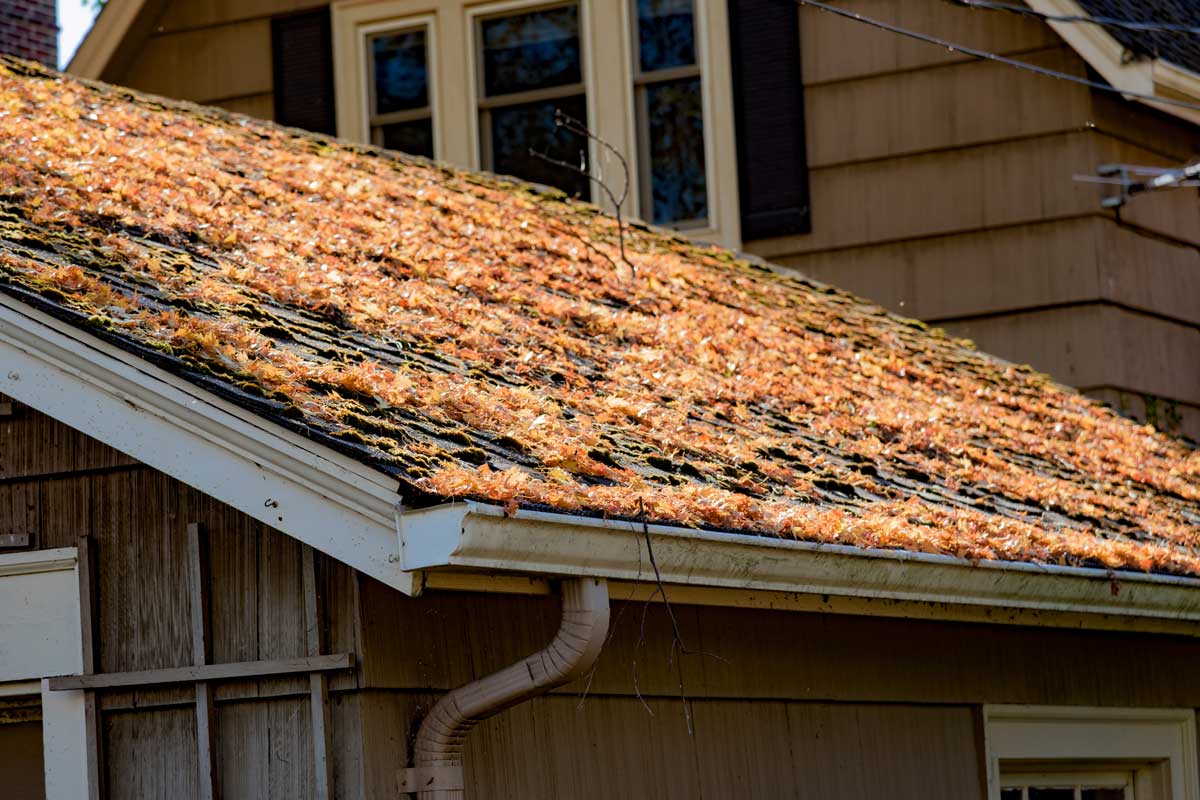
Minnesota homes face a unique combination of conditions. Winters bring heavy snow accumulation and ice dams, while repeated freeze-thaw cycles put constant stress on roofing materials. In spring and fall, fluctuating temperatures can expose weaknesses in aging systems. Summer adds its own pressure with heat, UV exposure, and occasional severe storms.
Over time, these conditions impact everything from shingles and fasteners to flashing and ventilation. A roofing system that performs well in a milder climate may struggle under these repeated stresses. That’s why it’s important to consider your roofing material’s long-term performance beyond cost and performance.
Asphalt Shingles are Reliable and Commonly Used
Asphalt shingles remain the most common choice across Minnesota because they strike a balance between cost and performance.
They’re especially popular because they:
- Are cost-effective upfront
- Work well with most home styles
- Are widely available and easy to repair
However, they do come with trade-offs. Over time, extreme cold can make shingles brittle, and exposure to wind and ice can accelerate wear, especially on older roofs.
Still, for many homeowners, asphalt remains one of the best roof types Minnesota homes can use when installed correctly and maintained over time.
Metal Roofing is Great for Longevity and Snow Management
Metal roofing is often chosen for its durability and long-term performance.
Its advantages are tied directly to how it handles Minnesota weather:
- Sheds snow efficiently, reducing buildup
- Resists cracking and warping in temperature swings
- Requires minimal maintenance compared to other materials
Because of these benefits, metal is a strong option for homeowners focused on long-term reliability. The higher upfront cost is often offset by fewer repairs and a longer lifespan.
Synthetic Roofing Materials Are Engineered for Performance
Synthetic materials are designed to mimic the appearance of natural products while improving durability and consistency.
They offer advantages such as:
- Resistance to moisture and weather damage
- Lightweight construction compared to slate or wood
- Consistent appearance over time
- Strong performance in harsh climates
Potential drawbacks include:
- Higher upfront investment than asphalt
- Variation in quality depending on the manufacturer
- A less traditional appearance for some homeowners
Synthetic roofing is a strong option for those who want durability without the maintenance demands of natural materials.
Cedar Shake Roofing: Consider Appearance vs. Maintenance
Cedar shake roofs are known for their distinctive look, but they require more upkeep in Minnesota’s climate.
They’re often chosen because they:
- Offer a natural, textured appearance
- Add strong curb appeal
- Provide some insulation benefits
However, they come with challenges:
- Vulnerable to moisture and rot over time
- Require ongoing maintenance
- Less durable in freeze-thaw conditions
Cedar is typically best suited for homeowners who prioritize aesthetics and are prepared for the added maintenance.
What About Flat and Low-Slope Roofing Systems?
While most homes have pitched roofs, many include low-slope sections, such as porches, additions, or garages that require different materials.
These areas typically use membrane-based systems like rubber or modified bitumen, which are designed to prevent water intrusion rather than shed it. In Minnesota, proper installation and drainage are critical for these systems to perform well, especially with snow accumulation and spring melt.
Material choice for low-slope areas is less about aesthetics and more about reliability. A properly installed system can perform well for years, but any weaknesses in seams or drainage can quickly lead to issues.
Comparing Cost, Durability, and Long-Term Value
Every roofing material comes with trade-offs, and cost is often the first factor homeowners consider. However, looking only at upfront pricing can be misleading.
Lower-cost options like asphalt shingles are more accessible initially but may require replacement sooner. Higher-end materials like metal or synthetic roofing involve a larger initial investment but often deliver longer lifespans and reduced maintenance.
The right choice depends on how long you plan to stay in your home, how much maintenance you’re comfortable with, and how important long-term performance is compared to short-term savings.
In many cases, homeowners find that investing in a more durable system pays off over time, especially in a climate where roofing systems are constantly under stress.
Why Installation Matters as Much as Material
No matter which material you choose, installation plays a critical role in how well your roof performs.
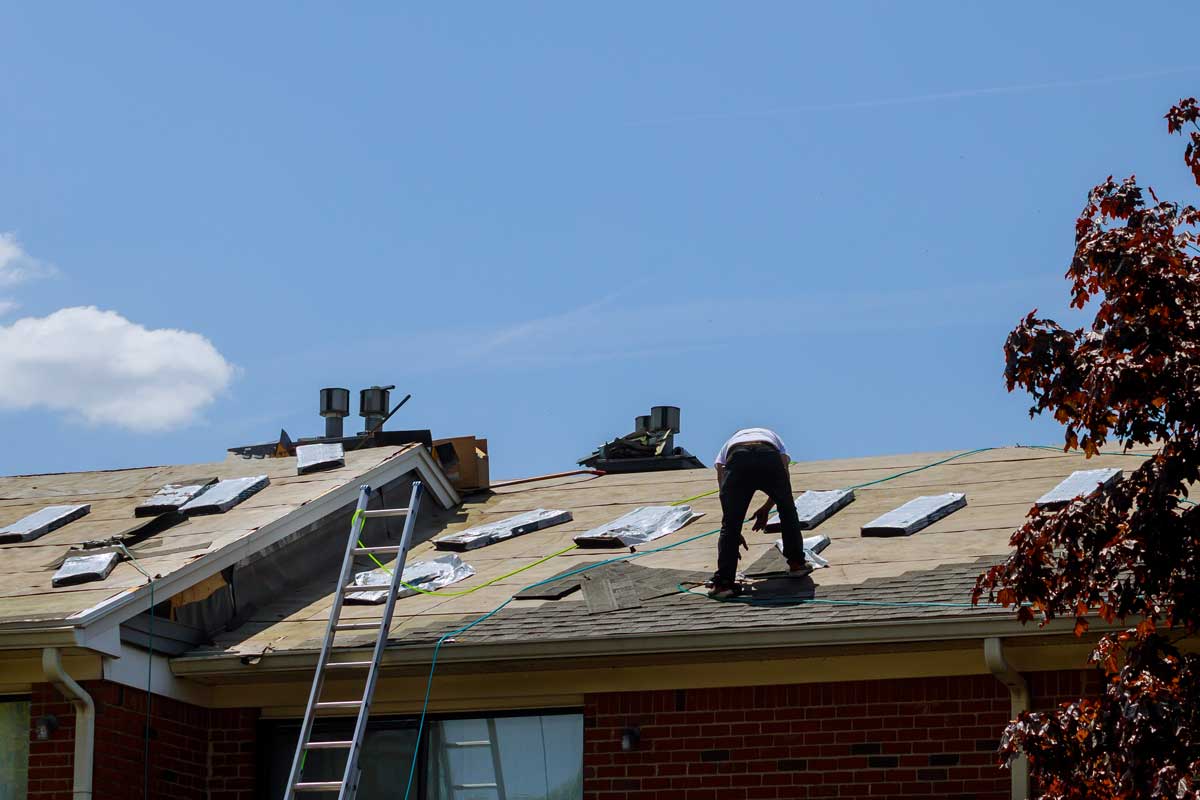
A high-quality product can fail prematurely if it’s not installed correctly. A professional installation ensures that water is directed away from the home, flashing is sealed correctly, and the entire system works together as intended.
In Minnesota, where ice dams and freeze-thaw cycles are common, details like ventilation and insulation are just as important as the roofing material itself. These factors influence how your roof handles moisture, temperature changes, and long-term wear.
Which Roofing Material Best Fits Your Home? Ask a Local Expert
There isn’t a single answer that works for every homeowner. The best roofing material depends on your priorities, your home’s design, and how you plan to use and maintain it over time.
If you’re weighing your options and want a clearer understanding of what will work best for your home, a professional consultation can help you move forward with confidence.
Schedule a consultation with All Craftsmen Exteriors to find out which roofing material fits your home.