What Property Owners Should Know Before Replacing a Commercial Roof
Owning or managing a commercial or multi-family property comes with a unique set of responsibilities, and few building components are more important than the roof. Whether you oversee an apartment complex, condominium association, townhome community, office building, or mixed-use property, the roof plays a critical role in protecting tenants, preserving property value, and minimizing long-term operating costs.
Unlike single-family homes, commercial and multi-family buildings often have larger roofing systems, more occupants, greater liability concerns, and more complex maintenance requirements. A roofing issue on a residential home may inconvenience one family. A roofing issue on a multi-unit building can affect dozens of residents, disrupt business operations, and create significant repair expenses if not addressed quickly.
For property owners considering repairs, maintenance, or a multi family roof replacement project, understanding the differences in durability, maintenance requirements, and warranty coverage can help ensure smarter long-term decisions.
Commercial and Multi-Family Roofing Requires a Different Approach than Residential Roofing
Commercial and multi-family roofs are expected to do much more than keep out the weather. They must protect multiple occupants, support building performance, and withstand years of exposure to Minnesota’s demanding climate.
These properties often feature larger roof areas, more complex drainage systems, rooftop equipment, and greater foot traffic than a typical residential roof. Because of this, property owners need to think beyond initial installation costs and consider how the roofing system will perform over its entire lifespan.
Important considerations include:
- Durability and expected lifespan
- Ongoing maintenance needs
- Warranty protection
- Tenant impact during repairs or replacement
- Long-term ownership costs
A successful roofing investment balances all of these factors rather than focusing on a single priority.
Durability Should Be a Top Priority
Minnesota weather places considerable stress on roofing systems throughout the year. Commercial and multi-family buildings are exposed to heavy snow, ice buildup, freeze-thaw cycles, high winds, summer heat, and UV exposure.
Over time, these conditions can accelerate wear and reveal weaknesses in roofing materials or installation methods.
Durability becomes especially important on larger buildings because roofing failures often have wider consequences. A leak in one section of the roof may affect multiple units, common areas, insulation, or building systems. The cost of repairs can quickly increase when water damage spreads beyond the roofing system itself.
For this reason, many property owners prioritize roofing materials designed to provide reliable long-term performance rather than simply selecting the lowest upfront cost option.
How To Choose the Right Roofing Material
The best roofing material depends on the type of property, roof design, budget, and long-term goals.
Many commercial roofing projects utilize asphalt shingles, metal roofing systems, synthetic roofing products, or specialized low-slope roofing materials. Each option offers different strengths when it comes to durability, maintenance, and lifespan.
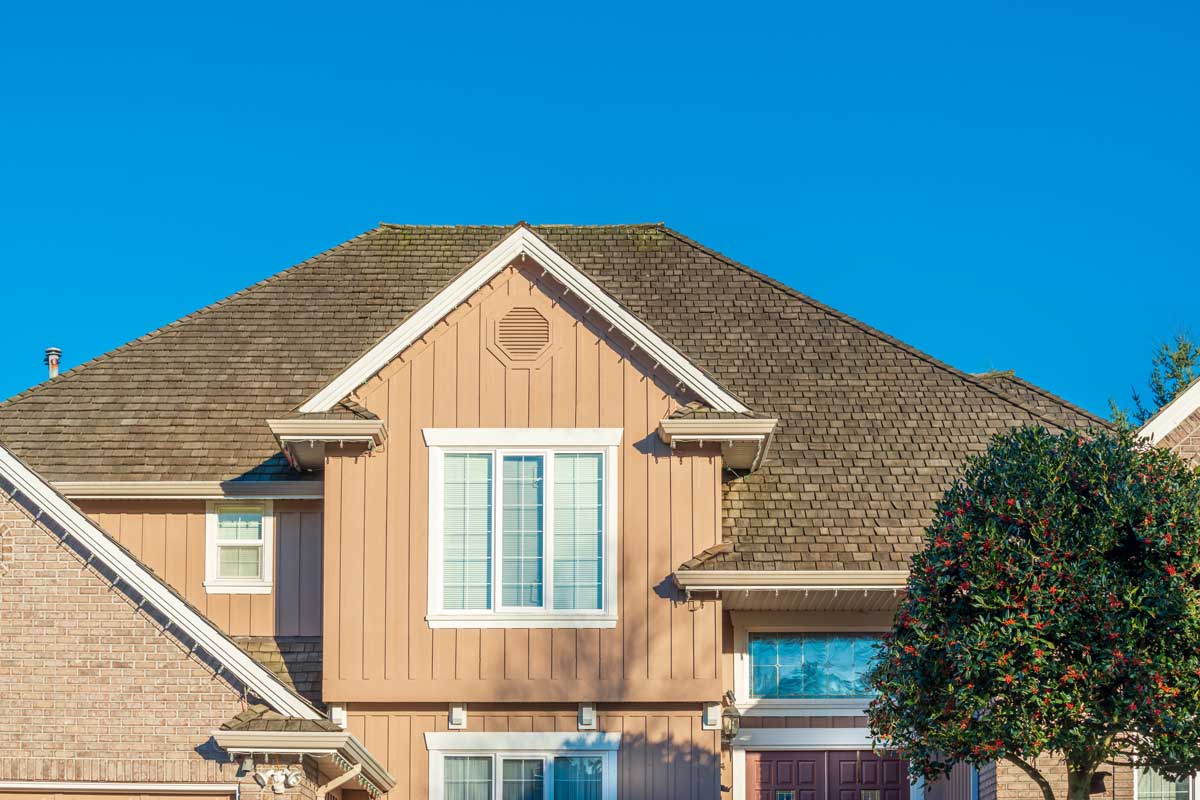
Asphalt shingles remain a common choice for apartment complexes, townhomes, and condominium communities because they offer a balance of affordability and performance. Modern architectural shingles can provide excellent protection while maintaining attractive curb appeal.
Metal roofing has become increasingly popular among property owners seeking maximum longevity. Metal systems can withstand severe weather conditions and often require less maintenance over time. Although the initial investment may be higher, many owners appreciate the long-term value and durability.
Synthetic roofing products offer another option for property owners looking for enhanced weather resistance. These materials are designed to replicate traditional roofing styles while providing improved performance against impacts, moisture, and temperature fluctuations.
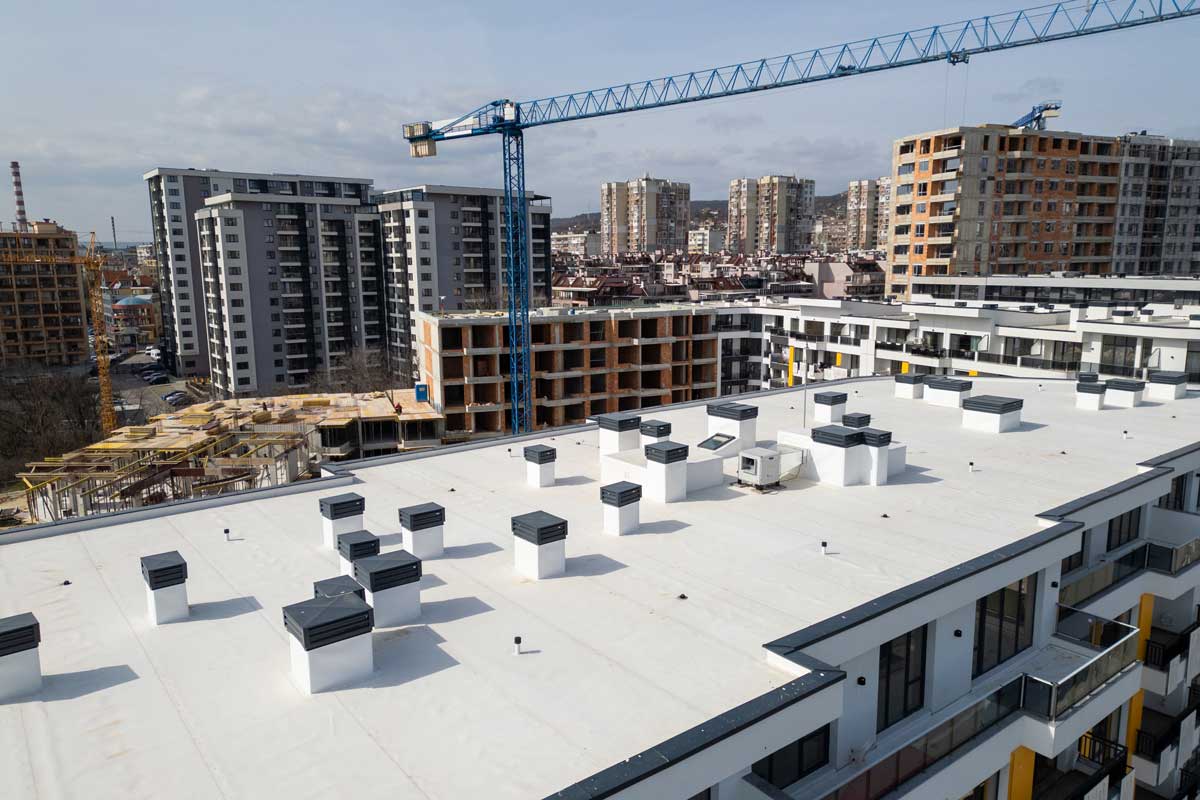
For low-slope commercial buildings, specialized roofing systems focus heavily on water management and long-term weather protection. These systems are designed differently than traditional residential roofs and require experienced installation and maintenance.
Selecting the right material involves evaluating both immediate needs and long-term ownership goals.
Maintenance Has a Bigger Impact on Larger Properties
One of the biggest differences between residential and commercial roofing is the importance of ongoing maintenance.
As roof size increases, so does the likelihood of wear, weather exposure, and potential problem areas. Small issues that might go unnoticed on a residential property can quickly become costly when they affect multiple units or tenants.
Regular maintenance helps identify concerns before they develop into larger problems.
Property owners should routinely monitor:
- Flashing and sealant condition
- Roof penetrations
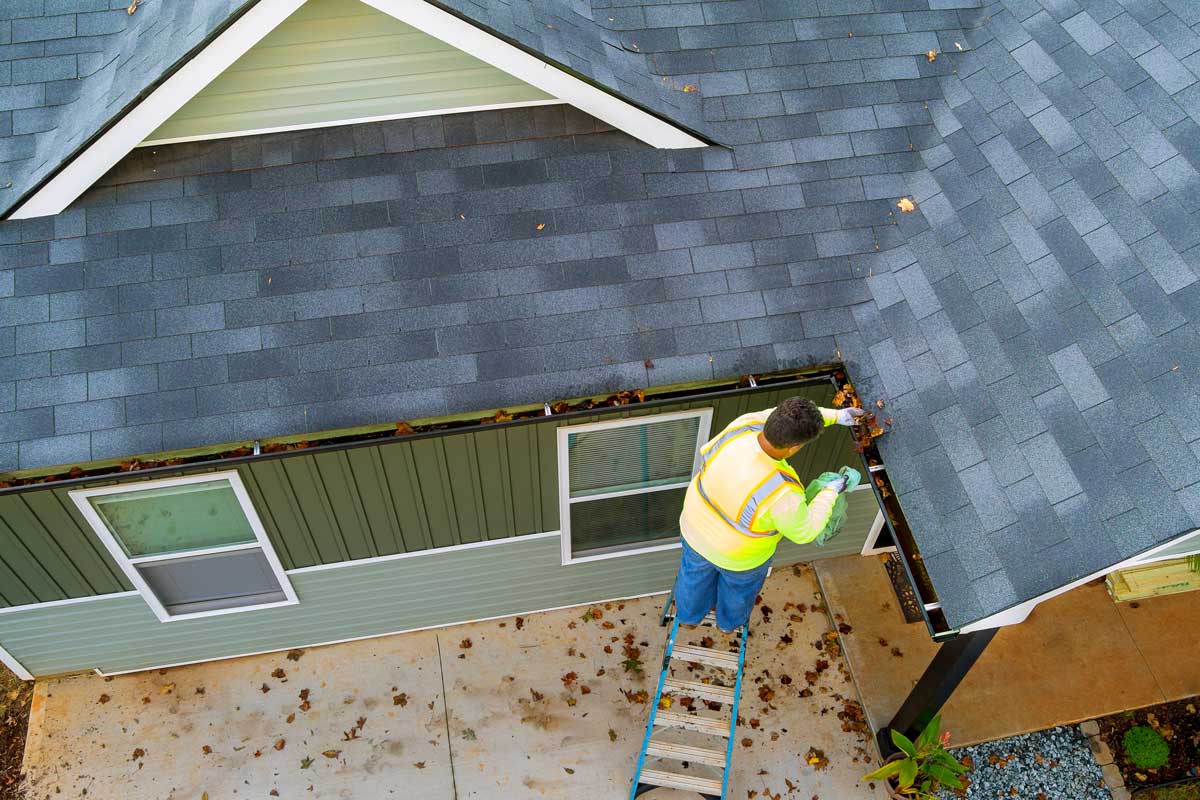
- Drainage systems and gutters
- Signs of storm damage
- Surface wear and aging
- Debris accumulation
Routine inspections can significantly extend the life of a roofing system while reducing unexpected repair costs.
Preventive maintenance also helps property owners budget more effectively by identifying issues before they require emergency repairs.
Rooftop Equipment Creates Additional Challenges
Many commercial and multi-family buildings have equipment installed directly on the roof. HVAC systems, ventilation equipment, satellite systems, and other mechanical components often require regular service. This creates additional wear because maintenance personnel frequently access the roof.
Repeated foot traffic can affect roofing materials around walkways, penetrations, and service areas. Property owners should consider how often roof access occurs when selecting roofing materials and planning maintenance programs.
A roofing system that performs well under occasional residential use may not be the best fit for a property with frequent rooftop activity.
Understanding Roofing Warranties
Roofing warranties are often more complex than many property owners realize. Most roofing projects include multiple forms of warranty coverage. Understanding what each warranty covers is essential when evaluating roofing proposals.
Manufacturer warranties generally protect against defects in the roofing materials themselves. Coverage varies based on the product and manufacturer requirements.
Workmanship warranties cover installation-related issues. Since proper installation plays a major role in roof performance, the quality and experience of the contractor are critical factors.
Some roofing systems may also offer enhanced warranty programs when specific materials and installation methods are used together.
Before moving forward with a roofing project, property owners should understand:
- What is covered
- How long coverage lasts
- Maintenance requirements
- Conditions that may void the warranty
- Whether coverage can transfer to future owners
A warranty provides the most value when property owners fully understand its terms and obligations.
Tenant Communication Is an Important Part of Roofing Projects
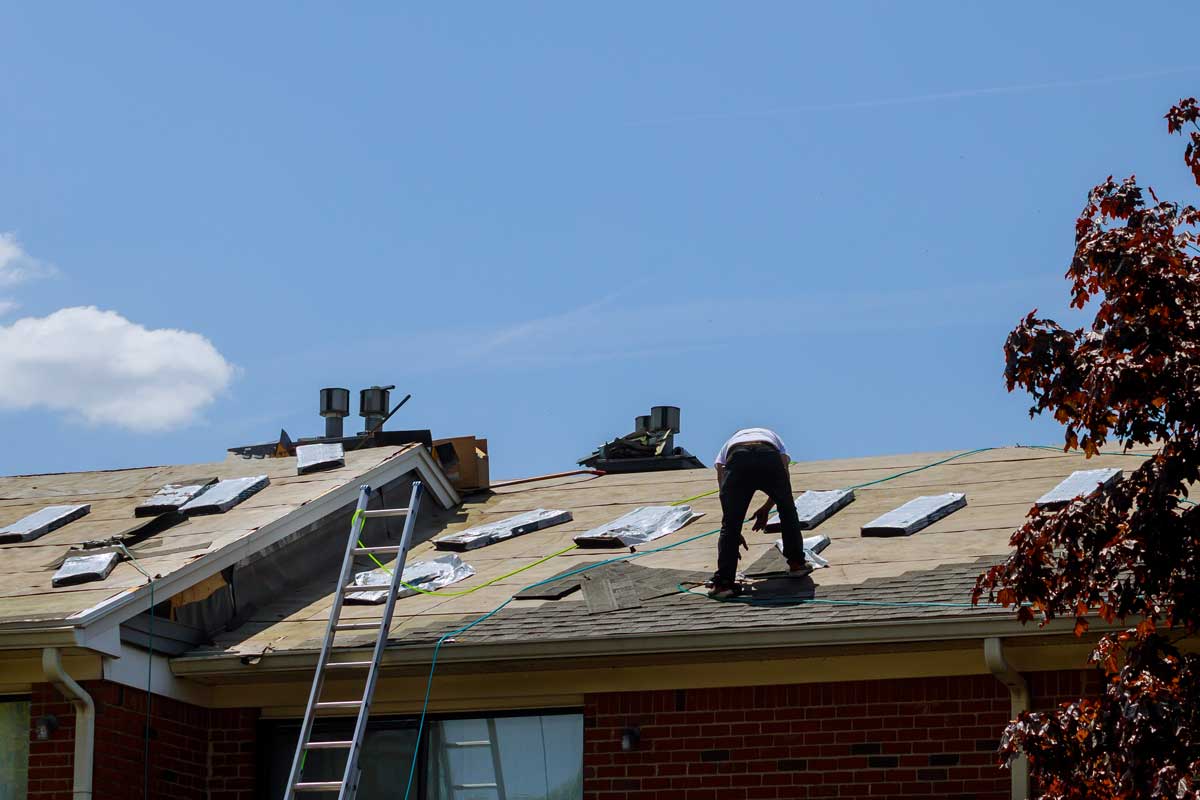
Roof replacement on an occupied building involves more planning than a typical residential project.
Property owners must consider how construction activities will affect tenants, residents, employees, or visitors. Clear communication helps set expectations and reduces frustration during the project.
Residents should understand:
- Project timelines
- Expected work hours
- Noise levels
- Parking impacts
- Safety procedures
Working with an experienced contractor helps streamline communication and minimize disruption throughout the project.
Proper planning often makes a significant difference in the overall experience for both property owners and occupants.
Looking Beyond Initial Cost
One of the most important considerations for commercial and multi-family property owners is total ownership cost. The least expensive roofing option is not always the most cost-effective over time.
A roofing system’s true value includes factors such as:
- Expected lifespan
- Maintenance requirements
- Repair frequency
- Energy performance
- Warranty protection
- Future replacement costs
When viewed over several decades, a higher-quality roofing system may provide better overall value despite a larger initial investment.
Taking a long-term perspective often leads to better financial outcomes and fewer unexpected expenses.
When Does a Replacement Make More Sense Than A Repair?
Repairs can be an effective solution when roofing issues are isolated and the overall system remains in good condition. However, there comes a point when ongoing repairs become less practical than replacement.
Signs that replacement may be the better option include:
- Recurring leaks
- Frequent repair needs
- Widespread material deterioration
- Aging roofing systems approaching the end of their lifespan
- Significant storm damage
- Structural concerns
A professional assessment helps determine whether continued repairs make financial sense or if replacement offers greater long-term value.
Why You Should Consider a Professional Property Assessment
Every commercial and multi-family property has unique needs. Factors such as building size, roof design, occupancy levels, maintenance history, and future plans all influence roofing decisions.
A professional roofing assessment provides valuable insight into:
- Current roof condition
- Remaining useful life
- Areas of concern
- Maintenance priorities
- Replacement planning
Rather than waiting for major problems to develop, property owners can make informed decisions based on the actual condition of their roofing system.
Schedule A Roofing Assessment With All Craftsmen Exteriors
Understanding your roof’s condition is the first step toward protecting your investment. Contact All Craftsmen Exteriors to schedule a professional property assessment. We’ll evaluate your roofing system, discuss your goals, and help you determine the best path forward for your commercial or multi-family property.