How to Determine Whether Your Roof Needs Repair or Replacement
When your roof starts showing signs of wear, should you invest in a full roof replacement, or is a repair enough to protect your home?
The answer isn’t always obvious, and choosing the wrong option can cost more over time. A well-timed repair can extend the life of your roof for years, while delaying a necessary replacement can lead to structural damage, interior repairs, and mounting expenses.
This guide walks through how to evaluate your roof, understand the difference between repair and replacement, and make a confident decision based on condition, cost, and long-term value.
Understanding Roof Repair vs. Roof Replacement
Before deciding what your roof needs, it’s important to understand what each option involves.
A roof repair addresses specific problem areas. This may include replacing damaged or missing shingles, sealing a leak, repairing flashing around chimneys or vents, or correcting a localized issue caused by weather or wear. Repairs focus on restoring function without altering the entire roofing system.
A roof replacement involves removing the existing roofing materials and installing a new roofing system from the deck up. This allows underlying issues to be addressed and provides a fresh, uniform surface designed to perform for decades.
Both options are valid in the right circumstances. The key is knowing which one is the best choice for your home.
4 Signs You Should Choose a Roof Repair
Not every roofing issue requires a full replacement. In many cases, a targeted repair is enough to restore performance and extend the life of your roof, especially when problems are identified early.
If your roof meets the following conditions, a repair may be the most practical and cost-effective solution.
1. The Damage Is Limited and Localized
If the issue is confined to a small area, such as a few damaged shingles or a leak caused by failing flashing, a repair can restore protection without unnecessary expense. Isolated damage that hasn’t spread is often best handled with targeted fixes.
2. Your Roof Is Still Relatively Young
Most roofing systems have a predictable lifespan. If your roof is well within that range and has been properly maintained, repairs can be an effective way to extend its life. Addressing small problems early often prevents larger issues later.
3. There Are No Signs of Structural Damage
If an inspection reveals that the roof decking, insulation, and attic space are dry and intact, repairs can address surface-level issues without concern for deeper problems.
4. You’re Managing Costs Strategically
For homeowners planning renovations in stages or preparing for a future sale, repairs can be a practical way to maintain protection while delaying a full replacement until the timing is right.
4 Signs a Roof Replacement Is the Better Long-Term Option
In some cases, repairs only provide temporary relief. When problems are widespread or recurring, replacement often offers better value and peace of mind.
1. Your Roof Is Near or Past Its Expected Lifespan
As roofing materials age, they lose flexibility and durability. Shingles may curl, crack, or shed granules across large areas. At this stage, repairs become less effective and more frequent, signaling that the system is nearing failure.
2. Leaks Are Persistent or Widespread
Recurring leaks, or multiple leaks that appear over time, often indicate systemic issues rather than isolated damage. Water intrusion can compromise roof decking, insulation, and interior finishes, making replacement the safer choice.
3. Storm Damage Affects Large Sections
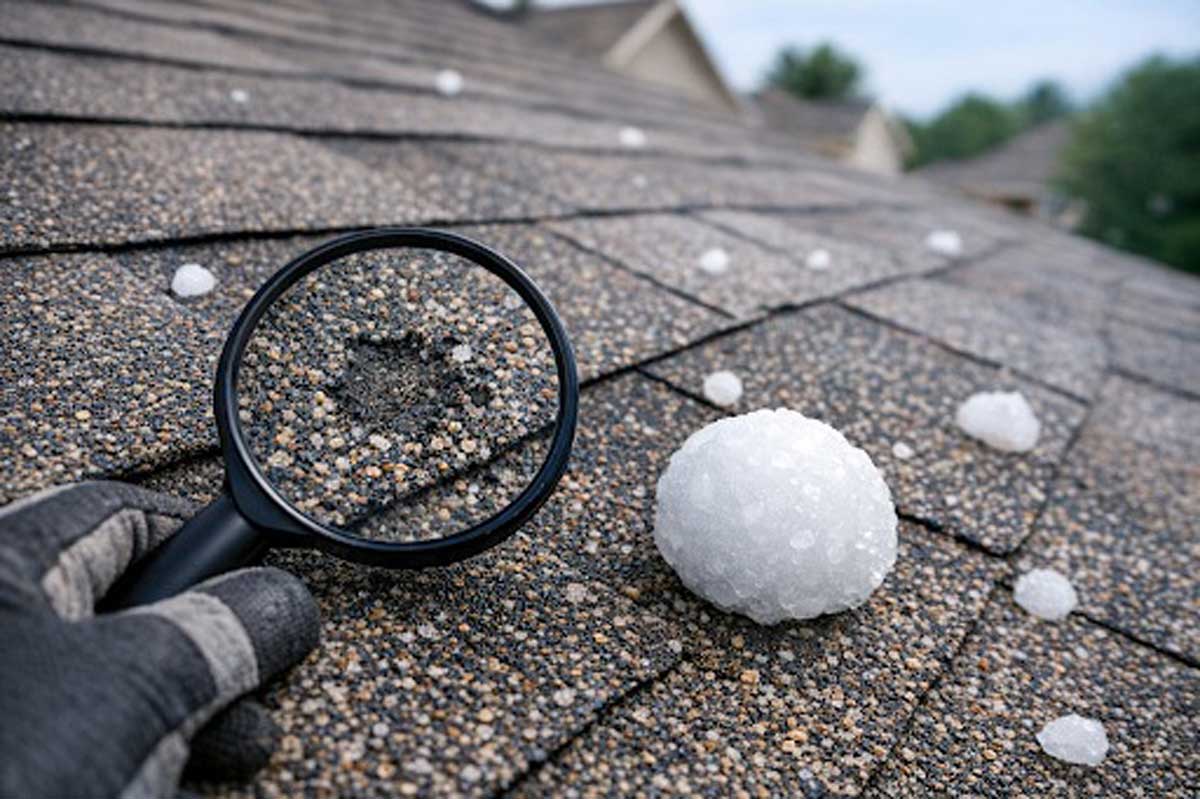
Severe weather can impact large portions of a roof at once. When damage isn’t confined to one area, patchwork repairs can leave the roof uneven in performance and appearance. Replacement ensures consistent protection across the entire surface.
4. Repairs Are Adding Up
If you’ve repaired your roof multiple times in recent years, it may be more cost-effective to replace it. Ongoing fixes can quickly approach the cost of a new roof without delivering the same longevity.
Why Roof Age Matters When Evaluating Repair or Replacement
Roof age is one of the most important factors when weighing repair versus replacement.
Even a well-installed roof experiences material fatigue over time. Sun exposure, temperature changes, wind, and moisture all contribute to the gradual breakdown. Once a roof reaches the later stages of its lifespan, repairs may address symptoms without solving the underlying problem.
Knowing your roof’s age and the expected lifespan of its materials helps set realistic expectations for how long repairs will remain effective.
How Roofing Materials Affect Your Options
Different roofing materials age differently, which affects whether repairs or replacement are the right choice.
- Asphalt shingles are typically repairable early in their lifespan, especially after minor wind or storm damage. As they age, shingles become brittle, lose granules, and are harder to match, which can make repairs less effective or more noticeable.
- Architectural (dimensional) shingles offer improved durability over standard asphalt. While they can often be repaired, older roofs may face color variation or discontinued styles, causing patched areas to stand out visually.
- Metal roofing is increasingly popular in Minnesota due to its durability and performance in snow and ice. Isolated issues, such as loose fasteners or localized panel damage, can often be repaired. However, widespread panel damage or seam failure may require replacement.
- Low-slope or flat roofing systems (such as EPDM rubber or modified bitumen) are common on porches, additions, garages, and some residential homes. Small punctures or seam issues can often be repaired, but aging membranes or widespread wear typically signal the need for replacement.
- Cedar shake roofing, while less common today, is still found on older Minnesota homes. Individual shakes can sometimes be replaced, but widespread moisture damage, rot, or aging often makes full replacement the more reliable option.
Matching materials, maintaining appearance, and ensuring consistent performance all factor into your decision.
Evaluate Your Decision Beyond the Initial Price Tag
It’s natural to focus on upfront cost, but it’s also important to evaluate long-term value.
Repairs typically cost less initially, but repeated fixes can add up, especially on aging roofs. Replacement involves a higher upfront investment but provides long-term protection, predictable performance, and fewer maintenance concerns.
A new roof can also improve energy efficiency, reduce drafts, and enhance curb appeal, which may increase home value over time.
All Craftsmen Exteriors Helps You Decide Between Roof Repair and Replacement
At All Craftsmen Exteriors, we provide homeowners with clear, reliable guidance when evaluating the condition of their roofs. Our process begins with a thorough inspection, followed by a straightforward explanation of our findings and the options available. Every recommendation is based on the actual condition of the roofing system, ensuring decisions are aligned with your home’s needs.
Whether your roof requires a targeted repair or a full replacement, our focus is on long-term performance, quality craftsmanship, and protecting the integrity of your home. With experienced professionals and proven materials, we help you move forward with confidence, knowing the solution is built to last.
Call us or contact us online for a free estimate!