When Should You Get a Roof Inspection?
Most roofing problems begin with small changes that are easy to overlook: a missing shingle after a windstorm, worn flashing around a vent, or an area where water is no longer draining properly. By the time those issues become visible inside your home, the damage may already be affecting the materials beneath your roof.
Regular roof inspections can help identify these warning signs before they turn into urgent repairs. By evaluating the condition of your roofing system each year (and after major weather events), you can address small concerns early, protect your home from moisture damage, and extend the lifespan of your roof.
Here’s what homeowners should know about roof inspections, including what to look for and when to schedule one.
Why Are Annual Roof Inspections So Important?
Annual roof inspections allow professionals to identify early warning signs before they become more serious. Small repairs, such as replacing damaged shingles or resealing flashing, are typically much more manageable than addressing widespread water damage or structural repairs.
Regular inspections are especially valuable in Minnesota because roofs experience significant seasonal stress. Winter snow and ice, spring rain, summer storms, and fall debris can all affect the condition of your roofing materials.
An annual inspection can help identify:
- Damage from winter weather and freeze-thaw cycles
- Loose or missing roofing materials
- Areas where water may be entering
- Wear caused by age and exposure
- Maintenance needs before the next season
By making roof inspections part of your regular home maintenance routine, you can help extend the lifespan of your roof and reduce the likelihood of unexpected repairs.
When Should You Schedule a Roof Inspection?
While an annual inspection is recommended for most homeowners, timing can depend on your home, your roof’s age, and the weather conditions it has experienced.
Spring is usually an ideal time for an inspection because it allows homeowners to address any damage caused by winter conditions. Snow, ice, and temperature fluctuations can put stress on shingles, flashing, and other roofing components.
Fall inspections are also beneficial because they help prepare your home before the colder months arrive. Identifying problems before winter can prevent small weaknesses from becoming larger issues when repairs are more difficult.
In addition to routine inspections, you should schedule a professional evaluation after severe weather events, including:
- Hailstorms
- Strong winds
- Heavy rain
- Tornadoes
- Falling branches or tree damage
Storm damage is not always obvious from the ground. A roof may appear intact while still having lifted shingles, damaged flashing, or weakened areas that could eventually lead to leaks.
What Should Be Included in a Roof Inspection?
A complete roof inspection involves more than simply checking whether shingles are missing. A roofing system includes several components that work together to direct water away from your home and protect the structure underneath.
A professional inspection evaluates the condition of these materials and looks for signs of damage, wear, or potential failure.
A typical roof inspection checklist includes:
- Shingles and roofing materials
- Flashing around roof penetrations
- Roof valleys
- Gutters and downspouts
- Roof edges and drainage areas
- Signs of moisture or interior damage
Shingles Should Be Inspected for Damage and Wear
Shingles are the first layer of defense against Minnesota weather. Over time, exposure to sunlight, wind, rain, snow, and temperature changes can cause them to deteriorate.
During an inspection, roofing professionals look for signs that shingles are no longer providing reliable protection. Damaged shingles may allow water to reach the underlying layers of the roof, increasing the risk of leaks and moisture damage.
Common signs of shingle problems include:
- Missing shingles after storms
- Cracked or damaged shingles
- Curling or lifted edges
- Excessive granule loss
- Uneven areas across the roof surface
Even a small number of damaged shingles can create vulnerable areas. Addressing these issues early helps prevent more extensive repairs later.
Flashing Should Be Checked Around Vulnerable Areas
Flashing is one of the most important parts of your roofing system because it protects areas where water is most likely to enter. These areas include chimneys, vents, skylights, and locations where the roof meets exterior walls.
Because flashing seals these transitions, damage in these areas can quickly lead to leaks if left untreated.
During an inspection, professionals check for:
- Loose or damaged flashing
- Cracked sealant
- Rust or corrosion
- Gaps around roof penetrations
- Improper drainage
Maintaining flashing is essential because even a well-maintained roof can experience water intrusion if these protective barriers fail.
Roof Valleys and Water Flow Should Be Evaluated
Roof valleys are the areas where two sections of the roof meet. These sections collect and direct a significant amount of rainwater and melting snow, making them particularly important to inspect.
Because so much water moves through valleys, they are more vulnerable to wear and damage over time.
During a roof inspection, professionals look for:
- Damaged shingles in valley areas
- Debris buildup
- Signs of water pooling
- Worn materials
- Issues affecting drainage
Keeping valleys clear and properly maintained helps ensure water flows away from your home instead of collecting in vulnerable areas.
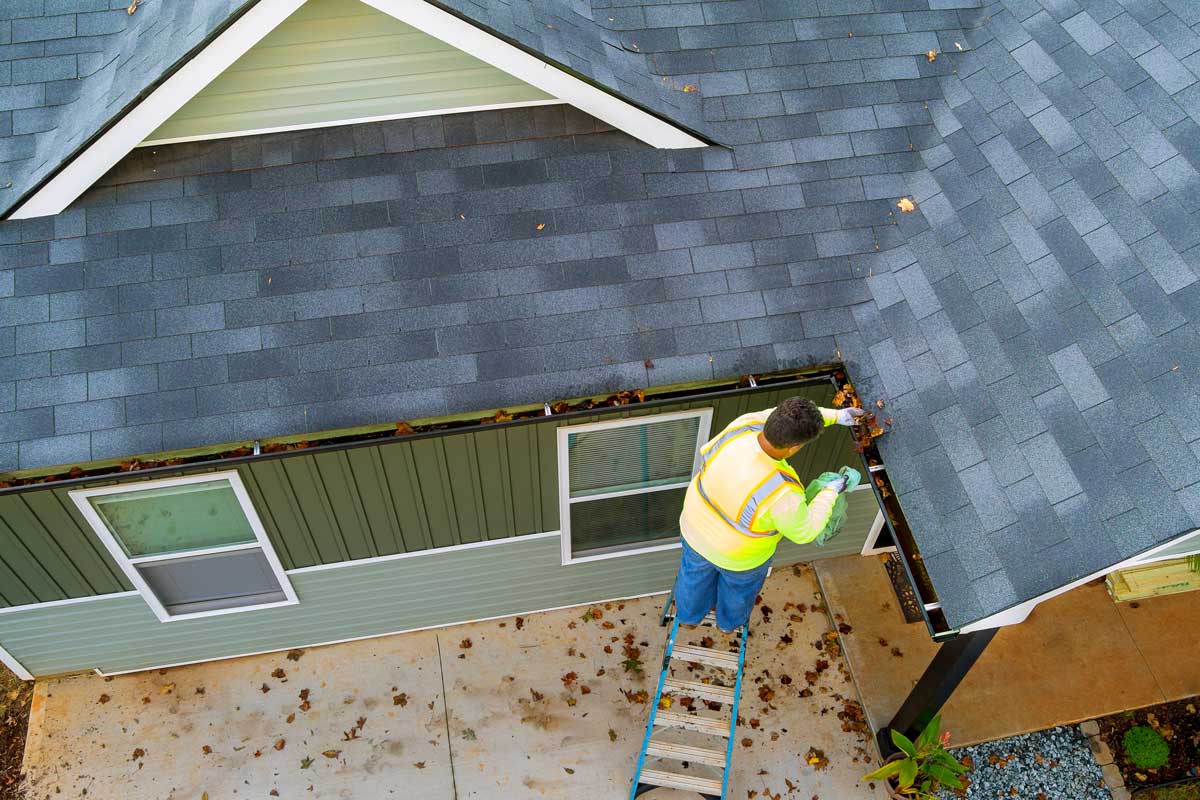
Gutters and Drainage Systems Should Be Checked
Although gutters are not technically part of the roof itself, they play a major role in protecting your roofing system and your home’s foundation.
When gutters become clogged or damaged, water may overflow and collect along roof edges. Over time, this can contribute to moisture damage, damaged fascia boards, and other issues.
During an inspection, it is important to evaluate:
- Debris buildup
- Proper water flow
- Loose or damaged sections
- Downspout function
- Signs of overflow
Keeping gutters clean and functional is one of the simplest ways to support your roof’s overall performance.
Why Is It Better to Hire a Professional for a Roof Inspection?
While homeowners can perform basic visual checks from the ground, a professional roof inspection provides a much more thorough evaluation of your entire roofing system. Many issues, such as early signs of moisture intrusion, damaged flashing, or areas of wear, are not always obvious without experience and proper training.
Roofing professionals know where problems commonly develop and can assess areas that may be easy to overlook. Beyond identifying damage, they can help determine whether an issue requires immediate repair, routine maintenance, or simply ongoing monitoring.
A professional roof inspection can help homeowners:
- Understand the overall condition of their roof
- Identify potential issues before they become major repairs
- Plan for seasonal maintenance and future roofing needs
- Document storm-related damage for insurance purposes
- Make informed decisions about repairs and replacement timelines
Regular inspections are not about finding problems. Rather, they’re about preventing unexpected issues and helping your roof continue protecting your home for years to come.
All Craftsmen Exteriors Protects Minnesota Homes With Routine Roof Inspections
Your roof is a long-term investment, and routine inspections are one of the best ways to protect it. Annual evaluations, combined with inspections after severe weather, can help identify problems before they turn into major repairs.
At All Craftsmen Exteriors, we help homeowners maintain reliable roofing systems through professional inspections, repairs, and exterior services. Our team understands the challenges Minnesota weather creates and can provide a thorough evaluation to help you make informed decisions about your home.
Whether you are preparing for another winter, recovering from a storm, or simply keeping up with annual maintenance, a professional inspection can provide valuable peace of mind.
Contact All Craftsmen Exteriors today to schedule your annual roof inspection and ensure your home is ready for whatever weather comes next.